As a young creative, I had a fascination for ancestral wood carving in their innate ability to move me emotionally and physically.
An artform that has influenced my aesthetic values throughout my creative journey of cultural and spiritual restoration.
Opposite to the painting process where paint is applied in fine layers to create dimension – the carving process involves removing layers to create form and space.
Traditionally it is believed that this artform was reserved for men only. Due to the nature of women who had the power to render tapu (active) practices noa (inactive). So to adapt this artform to a contemporary reality, the paint brush became my chisel.
This is reflcted in the use of carving patterns found throughout my painting compositions.
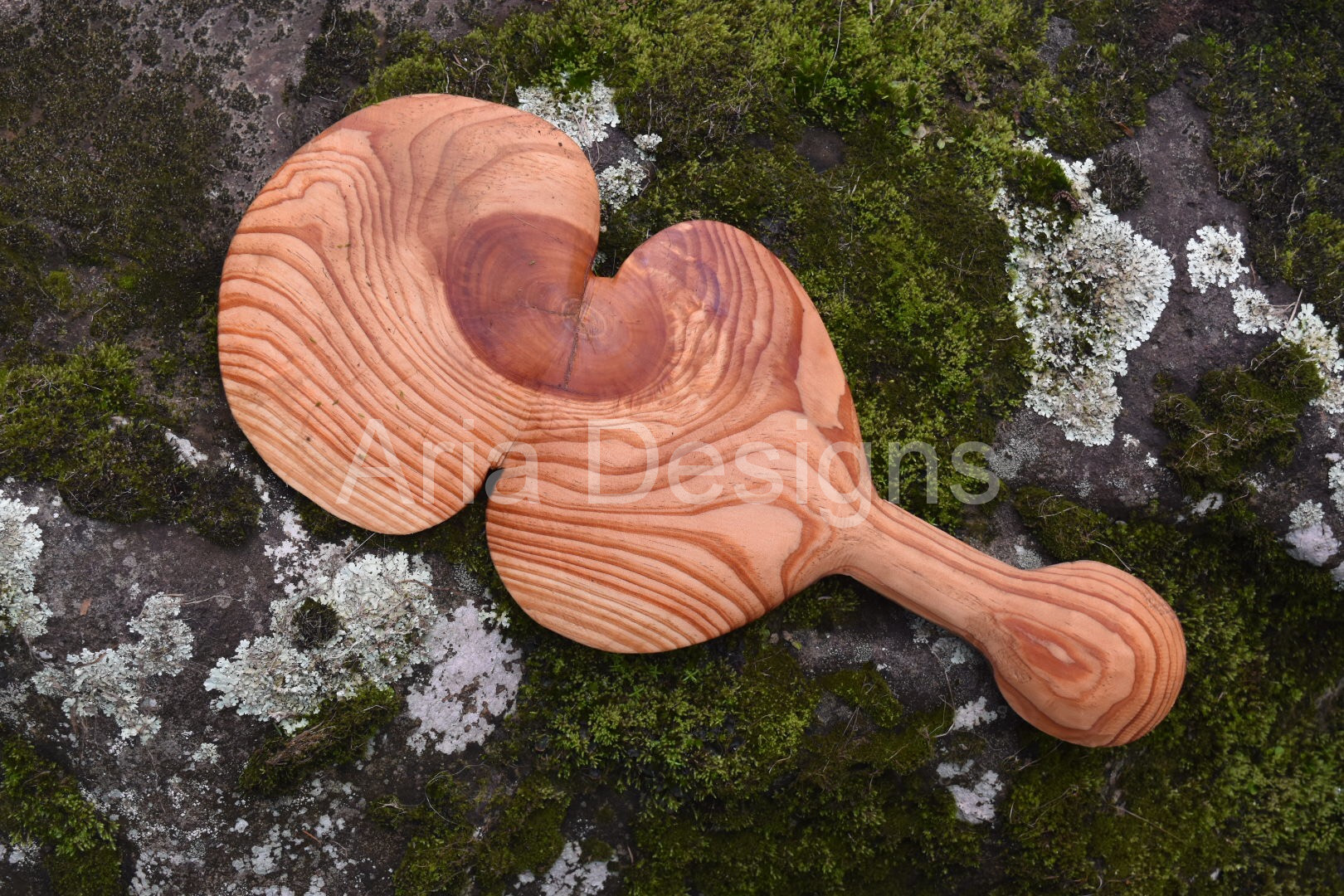
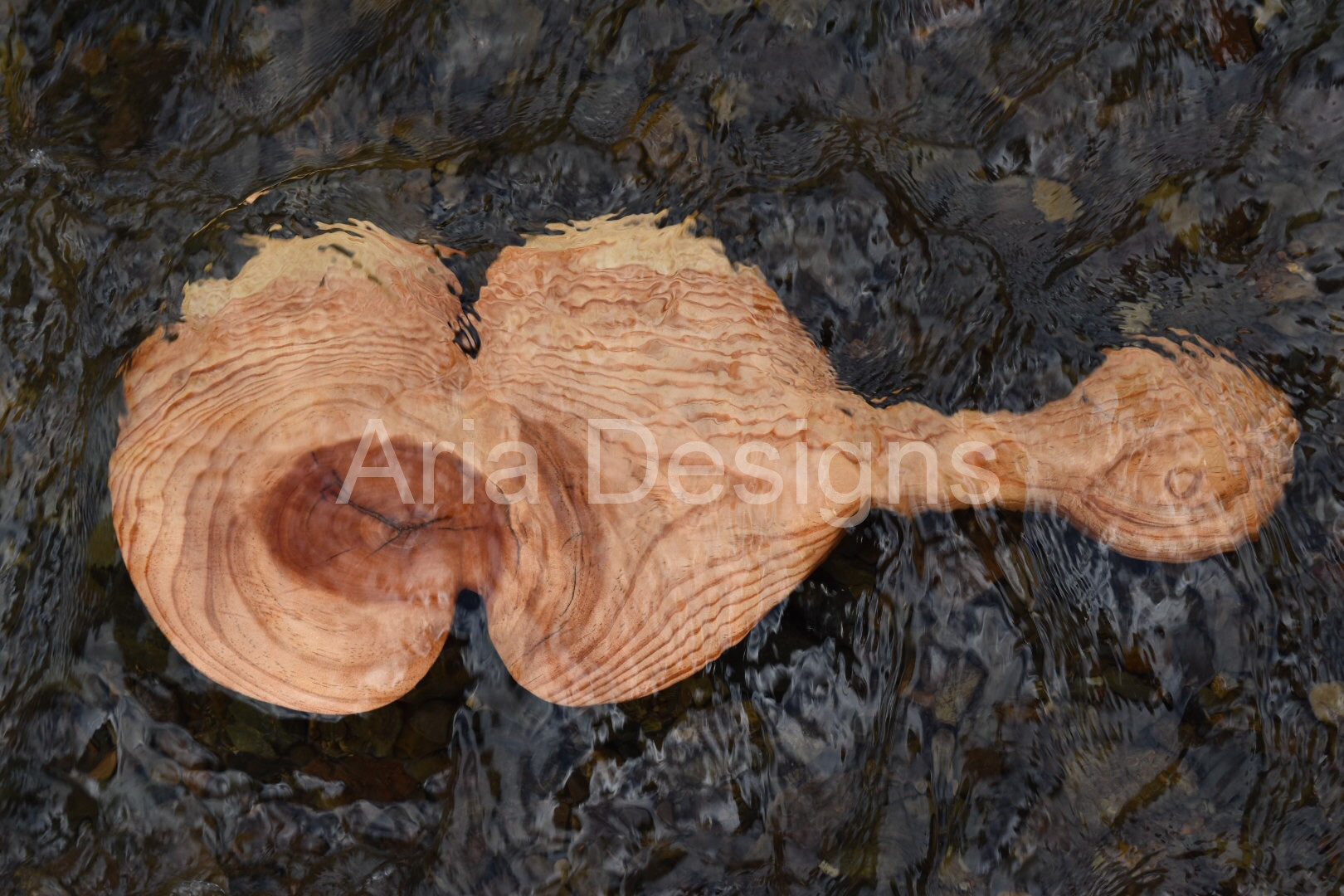
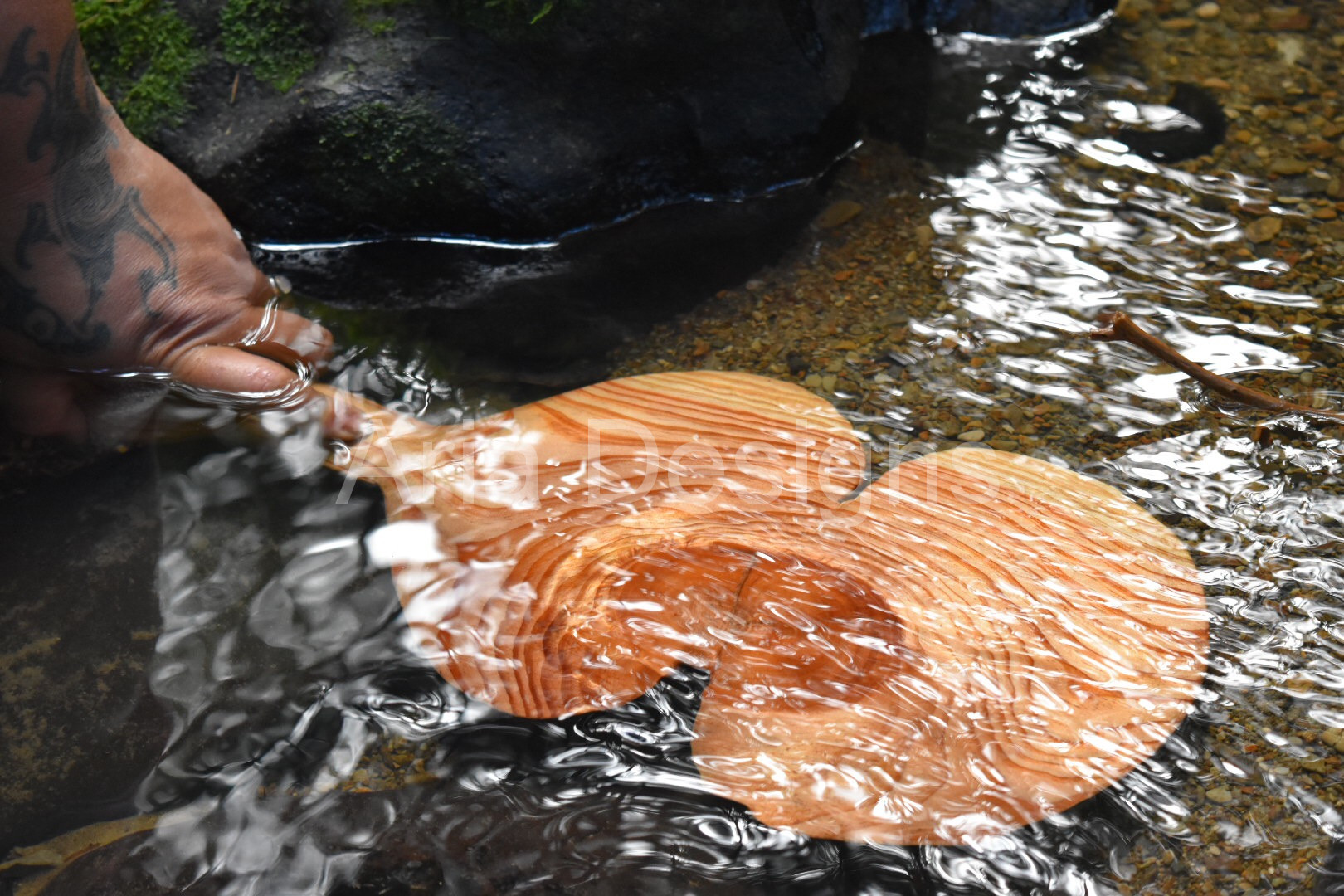
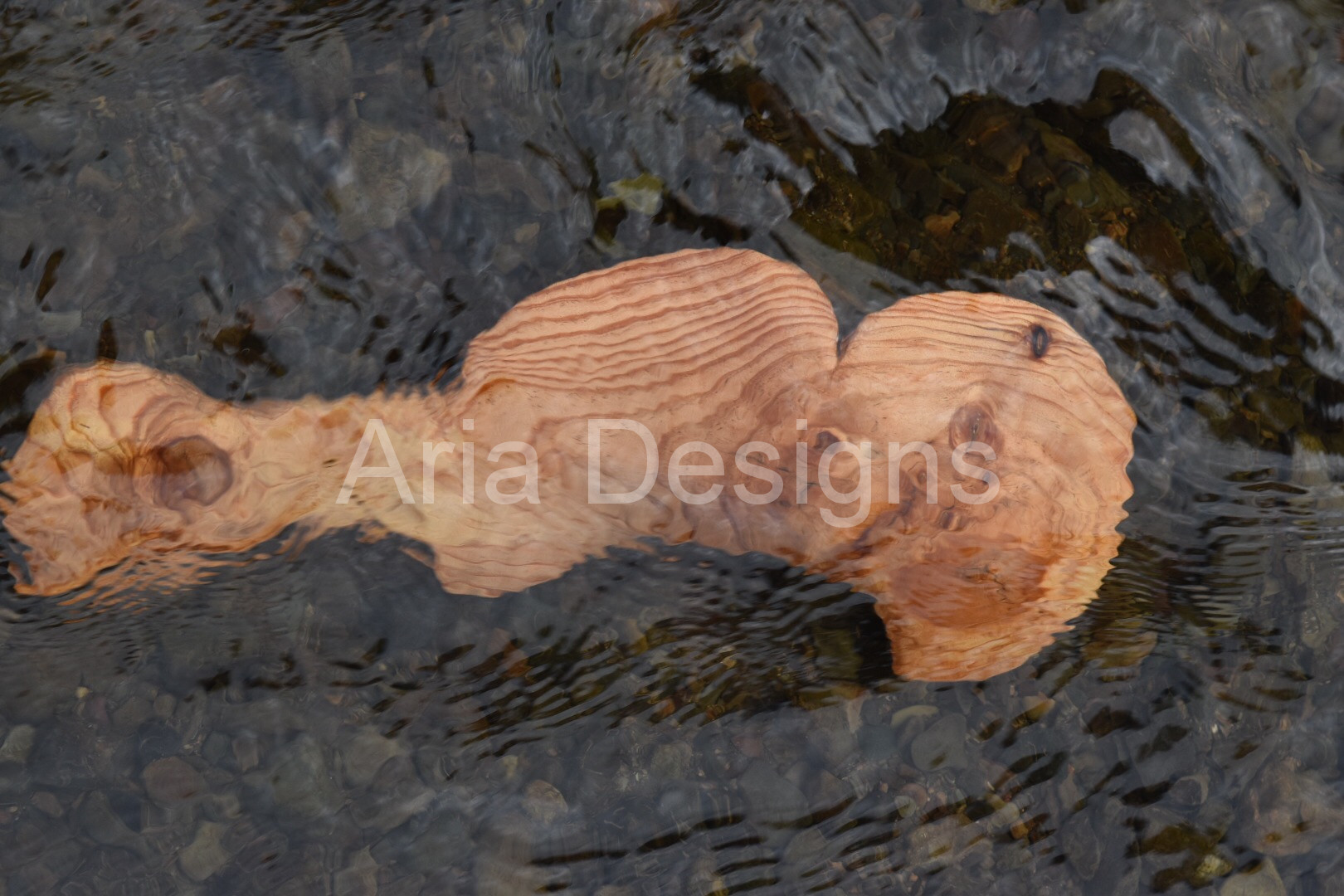
This collection of hand to hand combat weapons made in 2016 and pictured here in collaboration with talented photographer Wes Barwell, are expressions of my determination to learn the creative process of Toi whakairo.
Having sourced a couple of raw timber slabs from the Totara North Mill, my opportunity to learn the basic techniques of shaping form in wood presented itself to me.
With mentor Tony Pearson to learn from and hundreds of years of fine-tuned genetic imprint to source from, I took to the new medium straight away – and it took to me.
Here is a glimpse at the fruits of my labour that later on became the inspiration for a collection of painting called ‘Whare Tangata’.
Find this collection at: ariadesigns.co.nz/whare-tangata/