Toi Ora: The art of healing
The kupu ‘toi’ holds deep meaning in Te Ao Māori. While often translated as ‘art’ its layers reach far beyond creativity alone. Toi connects us to origin, to human experience, to ancestral intelligence.
‘Toi tu te ora, toi tu te mana, toi tu te whenua
Pou Whenua – foundational principals
MANA TANGATA I CONTRIBUTION – That the mana of the ako is upheld
MANA WHENUA I CONNECTION – Building connections creatively through shared experiences
MANA ATUA I WELLBEING– Kawa (protocols) to ensure safety, respect, and sacredness
MANA WAHINE I COMMUNICATION- Acknowledging the creative spirit in ourselves with compassion to guide the healing process.
When all Pou are aligned, immense positive energy is generated, helping us give meaning for deeper understanding of self, to take form.
Whakaaro
Many people experience mental, emotional, spiritual and physical dis-ease within contexts of disconnection from culture, whenua, and whānau. As well as this, we live in a time of immense cultural, political, social and economic unrest, all contributing to a mental state of scarcity, instability and insecurity, manifested in the form of anxiety, stress, fear and depression.
Toi Ora offers a natural form of self-healing. A non-verbal language that expresses complex thoughts and feelings for greater clarity that recognises:
Emotional expression is inseparable from spiritual wellbeing
Mental wellbeing is strengthened through connection and belonging
Creative practice supports balance across all aspects of life.
Kaupapa
Toi Ora aims to provide creative tools for communication, connection and self-determination that expresses whakapapa korero and cultural identity grounded in mātauranga Māori and lived experience that aligns with:
Whakawhanaungatanga – Relationship-building as the foundation
Ako – Reciprocal learning between participants and facilitator
Manaakitanga – Upholding safety, care, and respect
Toi Ora approaches to healing
Toi Ora recognises the limited access to mental health and wellbeing services accessable to small rural communities. Toi Ora also recognises that services, when available often prioritise conventional clinical models, not aligned with a Māori perspective. Toi Ora aims to engage with community knowledge holders exploring non – clinical facilitation by collecting local whakapapa korero for deeper understanding of the human condition that supports:
Cultural safety and mana enhancing facilitation
Emotional safety in a non-competitive space
Facilitator responsibility as kaiāko (not therapist)
Role of the facilitator
The facilitator acts as a kaiārahi, not a therapist. The facilitators’ role is to:
Hold a culturally safe and supportive space
Support expression across all four pou
Encourage creativity rather than artistic perfection
Toi Ora delivery
| Duration: 20 weeks (aligned with school terms) 1 day per week, 4 hours per session (includes setup and pack down) Travel included depending on location. | Modules |
| Week 1 – 5: Ko Au: Create a safe space for your inner artist. Replace negative inner voices with positive ones. Challenge limits and scarcity thinking. | Mana Tangata |
| Week 6 – 10: Whenua ki te whenua: Clear out external pressures, for increased sense of connection and belonging | Mana Whenua |
| Week 11 – 15: Atuatanga: Manage emotional highs and lows to support creative growth, build confidence and self determination. | Mana Atua |
| Week 16 – 20: Wahine toa: Invite a greater awareness of grounding and self-alignment. | Mana Wahine |
Evaluation methods
Self-reflection recorded in the tohu toi and completed projects
Participant kōrero and creative narratives
Facilitator observation and reflective logs
Budget Summary
Total facilitation hours: 20 weeks – 100 hours
Facilitation fee per hour: $50.00
Programme delivery total: $5,000
Resource budget: $500.00 (Supplied by the service provider)
Toi Ora learning content
The mahi toi demonstrated in this slideshow is provided by the Artist, Programme Designer and Facilitator, Yazma Smith, as well as ako mahi toi from previous Toi Ora wananga.
For further information about Yazma’s bio, qualifications and experience, please follow these links:
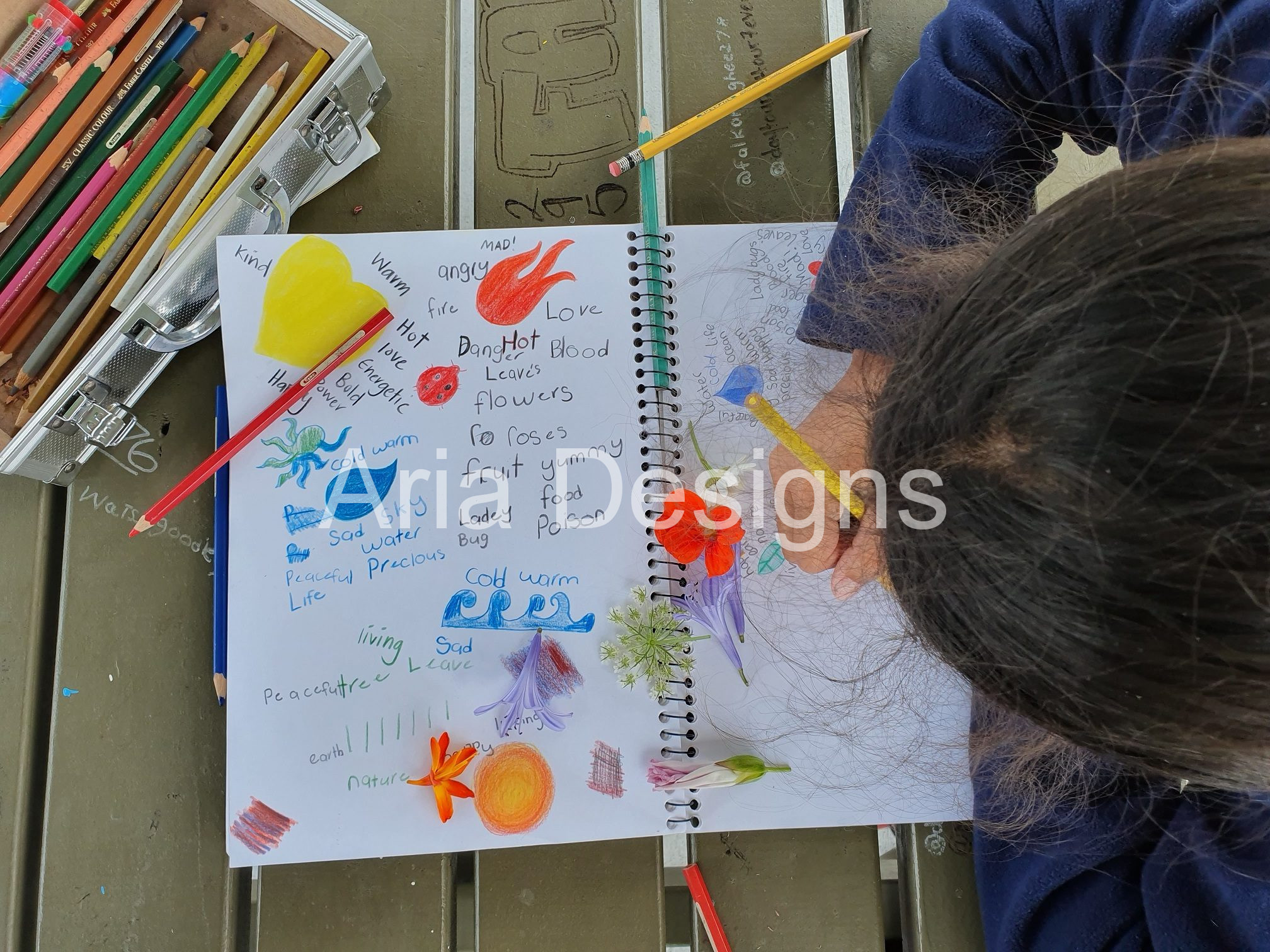
We begin by introducing the Tohu Toi (visual diary), a creative tool for collecting, recording and documenting drawings, photo’s, thoughts, feelings, ideas in their raw form, for future and present reference. A sacred space for developing ideas, problem solving and brainstorming, where visualisation may take form.
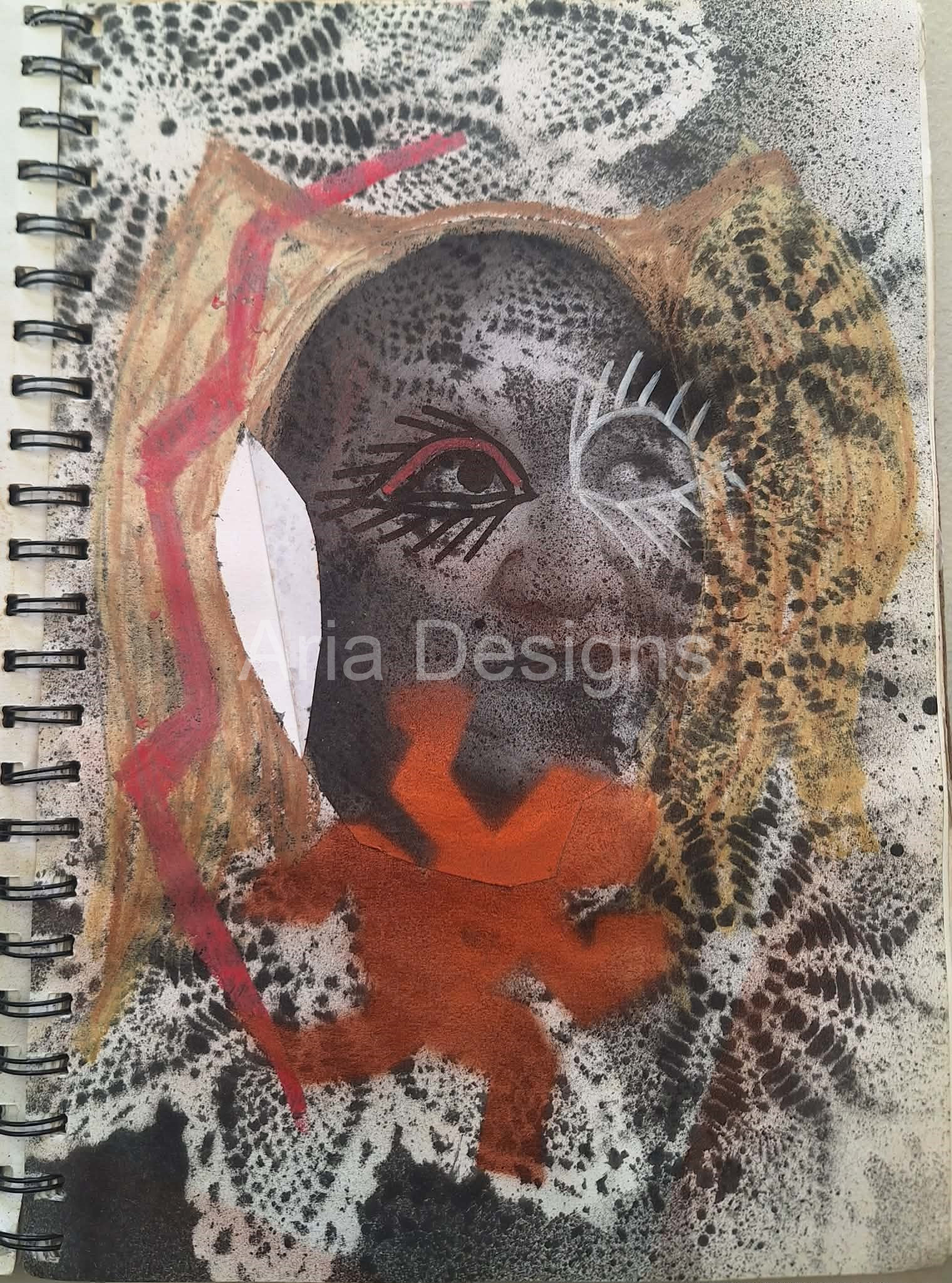
Week 1 - 5: Mana Tangata
Ko Au: The privilege of a lifetime is to become who you truly are.
Ko Au focuses on accessing our authentic selves, using portraiture as a visual medium to express our internal identity through the power of vulnerability.
This creative process starts by channelling your past self, the inner child, when creativity and imagination was most potent. A fertile ground for untapped creative content to take shape and inform our adult reality.
The next portrait will explore personal mauri in present day context. Themes that have shaped it - societal expectations and conditioning, cultural identity, whanau relationships, life experience, dreams and aspirations. Explore intuition as an internal source of guidance to inform and empower the creative process.
The last portrait is inspired by your future self by imagining a complete image of inner identity as unified, cohesive, whole and expansive.
This Kaupapa is a re-assertion of who you where, who you are, and who you are becoming.
Activity: Mixed media on canvas
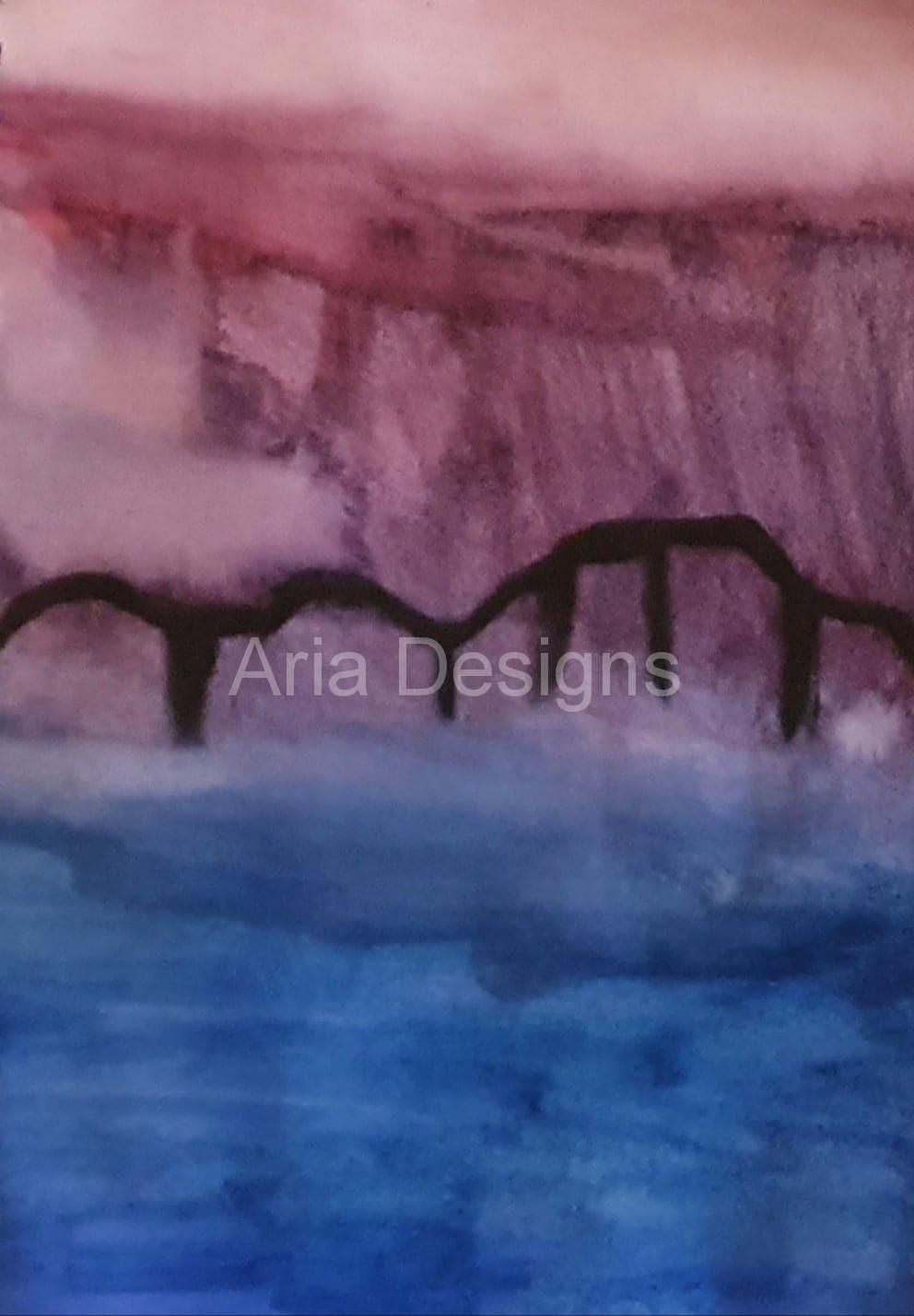
Week 6 – 10: Mana Whenua
Whenua ki te whenua
Over these 5 weeks the 'Internal landscape' which is the whenua seen from the outside in, and the inside out for meaningful connection to time, place and space. Like the whenua always moving, shifting, transforming, this is also the nature of the creative process.
We begin with an introduction to landscape drawing and painting, referring to NZ Maori artists for an insight of their internal relationship with te whenua as living ancestor.
Site visits to significant local wahi tapu, relevant to the cultural identity of the ako, as the main source of visual inspiration for meaningful connection.
Whakapapa korero embedded in the whenua will also be explored as a source of human experience in relation to messages stored within them for guidance. Landscape drawing and photography will be used to record these experiences and documented in the tohu toi for past, present and future reference.
A colonial treatment of the whenua in relation to ‘marks on the land’ will also be unpacked in relation to our own identity as Mana whenua. By decolonising our hearts and minds it is the intention of this kaupapa to create a body of artwork that asserts our individual connection to Te Whenua as living ancestor.
The language of colour will be explored for emotional content to express what words cannot. Every colour has a vibration, either negative or positive, hot or cold. So do our emotions. We will learn to use colour to create mood and atmosphere to connect with our audience and ourselves. When we use colour with intent, it becomes a powerful language for communication. We also take a close look at colour in nature and ask, 'How did our tupuna use colour to express the world they saw around them?'
Activity: Water colours will be used to create layers of depth and transparency. Water colours will teach us how to be discerning.
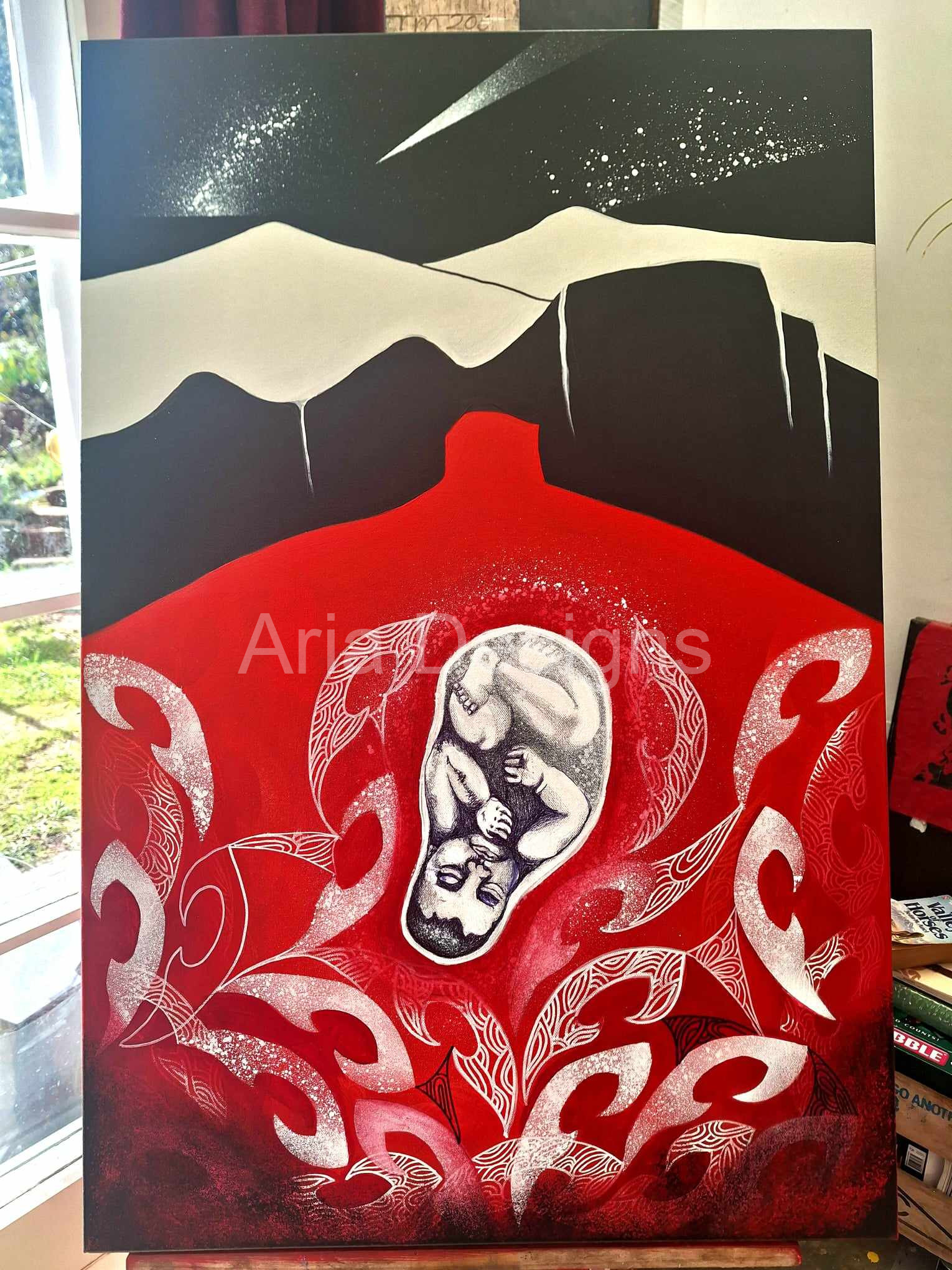
Week 16 – 20: Mana wahine
He wahine, he whenua, e ngaro ai te tangata
It is through women and land, men are lost.
Our cosmology provides a storehose of powerful women who feature strongly as visionaries, warriors and pro-creators highlighting their importance in sustaining the wellbeing of the whanau, hapu and iwi.
The mana and influence of our ancestral feminine energy – enriches whakapapa and whanaungatanga reflected in the reo, whakapapa korero and cultural identity.
Our creation story, Te Po, Te Kore, Te Wheio, Te Ao Marama is a metaphor for the internal womb. It is also a manafestation for consciousness or the creative process, from conception of an idea through to its physical manafestation.
Activity: Clay will be used to create a 3 dimensional figure/sculture, a manafestation of what mana wahine means to the ako.
Week 11 – 15: Mana Atua
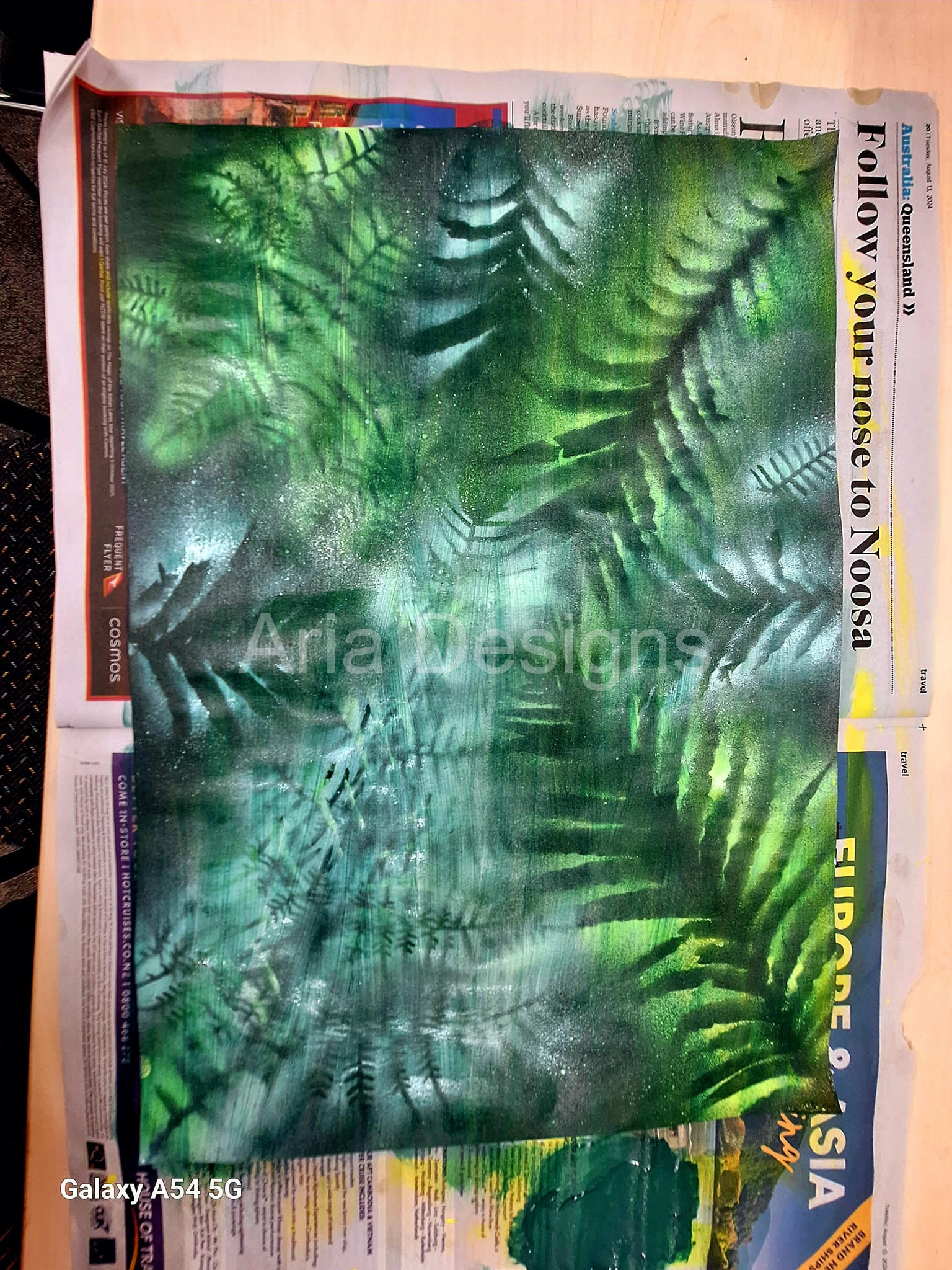
From the mountains to the sea, nga Atua are profound visual indicators of cultural identity, kaitiakitanga explored symbolically as tohu sourced from te taiao. This means expeditions outdoors for connection and observation of Nga Atua, in their many shapes and forms as creative inspiration.
Our first site of significance will be the ngahere, to commune with Tane. Tohu will be collected and documented in our tohu toi as will our sensory experiences that relate to this domain eg sound, sight, smell and taste. All manifestations of these Atua in real time, place and space. Drawings, photography and found taonga will be collected for further creative investigation and exploration.
A visit to the moana will also be organised, to commune with Tangaroa and the same creative process repeated.
Nga Atua in relation to our biology and human condition will be explored for creative inspiration.
Whakapapa korero in relation to Nga Atua will provide us with a source of connection to create a body of artwork and experimental drawings in reference to these Atua.
Activity: Lino cuts for printing onto fabric
If you are interested in the Toi Ora programme and would like to arrange a hui with Yazma, please email her at: yazma277@gmail.com.